Other Policies
This page is dedicated to policies and proposals that fall outside the six primary subject areas covered by the other pages. It provides a place for additional reforms, emerging issues and broader policy initiatives that do not fit neatly within the existing categories but remain important to the overall direction of the country.
These policies may address a wide range of matters, including public administration, regulatory reform, community wellbeing, technological developments, consumer protections and other areas of public interest. Each proposal should be considered on its individual merits, with a focus on practical implementation, public benefit, accountability and long-term outcomes.
The purpose of this page is to ensure that worthwhile ideas are not excluded simply because they do not fall within an established subject area. It allows the policy framework to remain flexible and responsive to new challenges, changing circumstances and opportunities for improvement, while maintaining the same standards of clarity, consistency and evidence-based reasoning applied throughout the broader platform.
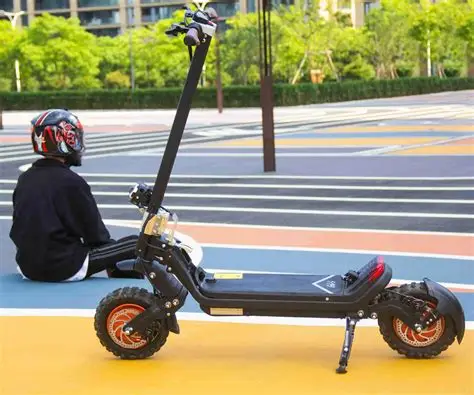
1. Regulating and Licensing E-Scooters and E-Bikes
Proposal
Introduce a mandatory licensing system for all users of electric scooters (e-scooters) and electric bicycles (e-bikes), requiring riders to be at least 14 years of age and successfully complete an online road-safety and riding-rules test before receiving a licence.
Establish a maximum assisted speed limit of 25 km/h for all e-scooters and e-bikes, prohibiting the sale, use or modification of vehicles that exceed this limit. Introduce appropriate safety standards, registration requirements where necessary, and penalties for non-compliance.
Rationale
Electric scooters and electric bicycles provide an increasingly popular and accessible form of transport for Australians. They can reduce traffic congestion, offer an affordable alternative to driving and public transport, and contribute to lower transport emissions.
However, the growing use of these vehicles also presents safety concerns, particularly when riders lack an understanding of road rules, share paths with pedestrians or operate vehicles at inappropriate speeds.
A mandatory licensing system would establish a basic standard of knowledge and responsibility for anyone operating an e-scooter or e-bike in public spaces.
Setting the minimum licensing age at 14 would allow younger people to access these forms of transport while ensuring they demonstrate an understanding of relevant road rules, pedestrian safety, right-of-way requirements and responsible riding practices.
An online test would provide an accessible and relatively low-cost way for riders to demonstrate this knowledge before receiving their licence. It would also ensure that riders understand their legal obligations before using these vehicles on public roads and shared paths.
A maximum speed limit of 25 km/h would establish a clear upper boundary for vehicle performance. Vehicles capable of exceeding this speed can present increased risks to riders, pedestrians and other road users, particularly in areas with limited separation between different forms of traffic.
Safeguards
The licensing system should be designed to remain affordable, accessible and straightforward to complete.
-
Minimum age requirement: No person under the age of 14 may obtain a licence to operate an e-scooter or e-bike in public areas.
-
Mandatory online test: All prospective riders must successfully complete an online assessment covering road rules, pedestrian safety, speed management, hazard awareness and responsible riding.
-
Maximum speed limit: No e-scooter or e-bike may be designed, modified or operated in a manner that allows it to exceed a maximum speed of 25 km/h under its own motor power. Applicable vehicle-specific speed limits may be lower.
-
Vehicle compliance: Manufacturers, importers, retailers and owners must ensure that vehicles meet applicable safety and speed requirements. Vehicles that do not comply must not be sold or used on public roads.
-
Anti-tampering provisions: Modifications intended to bypass speed restrictions or other mandatory safety requirements should be prohibited.
-
Enforcement and penalties: Appropriate penalties should apply to unlicensed riding, illegal vehicle modifications and repeated or serious breaches of safety rules.
-
Education and accessibility: The online test should be available in accessible formats, with reasonable accommodations for people with disabilities and appropriate support for younger applicants.
-
Privacy protections: Any licensing database should collect only the information necessary to administer and enforce the system.
-
Periodic review: The licensing framework, minimum age and speed requirements should be independently reviewed to account for road-safety evidence, technological developments and changes in transport needs.
Implementation should be coordinated under the federal government to ensure consistent rules across Australia, with specific tests designed to align with each state's road rules.
Expected Outcomes
-
Improved safety for e-scooter and e-bike riders, pedestrians and other road users.
-
Greater understanding of road rules and responsible riding practices among young and inexperienced riders.
-
Reduced risks associated with excessively fast or illegally modified electric vehicles.
-
Greater accountability for riders and owners who fail to comply with safety requirements.
-
More consistent regulation of e-scooters and e-bikes across Australian jurisdictions.
-
Continued access to affordable and environmentally sustainable transport options within a clear regulatory framework.
Policy you would like to see covered?!
Submit its name, description and add your Email to see when if we respond!